


The winter months are often a period with less activity for many pets. Shorter days, cold temperatures and rainy weather mean dogs are walked less and cats tend to stay indoors more often. As a result, some pets quietly gain a few extra kilos. In spring, many owners suddenly notice their dog or cat has put on weight.
Although it may seem harmless, excess weight can have a significant impact on your pet’s health. At Dierenarts Boschhoven we are happy to help your pet become fit and healthy again.
Why do pets gain weight during winter?
During winter, many pets simply move less. Dogs often go outside for shorter walks and indoor cats sleep more and are less active. At the same time, the amount of food they receive usually stays the same. This can create a calorie surplus that is stored as fat.
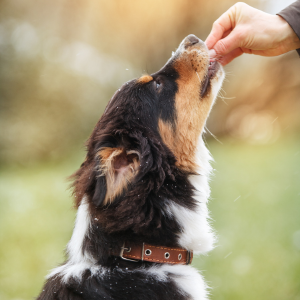
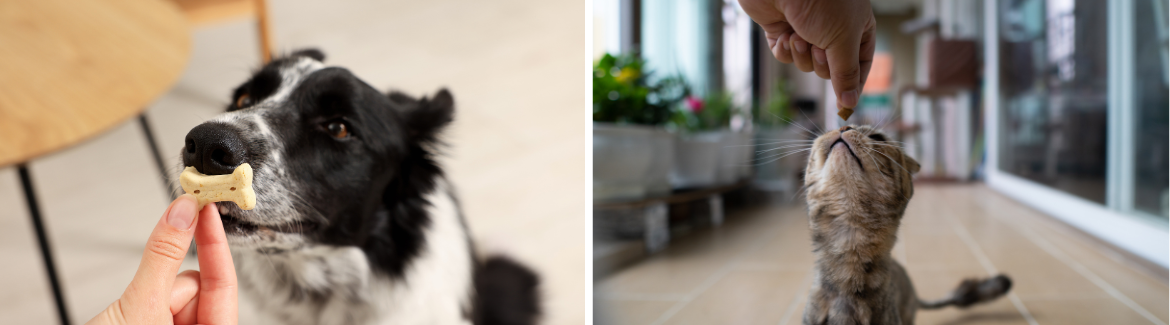
Owner behaviour can also play a role. During colder months, we may give our pets extra treats or snacks more often. While these seem harmless, small extras can gradually lead to weight gain.
How can you recognise overweight in your dog or cat?
It is not always easy to notice when a pet becomes overweight, especially when the weight gain happens gradually. However, there are a few signs you can look out for.
When a dog or cat is at a healthy weight, you should still be able to gently feel the ribs without pressing hard. In addition, a visible waistline should be noticeable when looking at your pet from above.
Other possible signs of excess weight include:
- reduced stamina during play or walks
- panting more quickly during exercise
- difficulty jumping or climbing stairs
If you are unsure about your pet’s weight, a check-up at the veterinary clinic can provide clarity.
Healthy weight loss: how to approach it
Helping a pet lose weight should always be done carefully. Losing weight too quickly is not healthy, especially for cats. Gradual weight loss is the safest and most effective approach.
Some practical tips include:
- Increase activity: make walks slightly longer again or play more often with your cat.
- Watch the treats: limit snacks and consider healthier alternatives if needed.
- Adjust nutrition: sometimes a lower-calorie diet may be recommended.
It is important not to simply reduce food portions without professional advice. A proper feeding plan helps ensure your pet still receives all essential nutrients.
When should you consult a veterinarian?
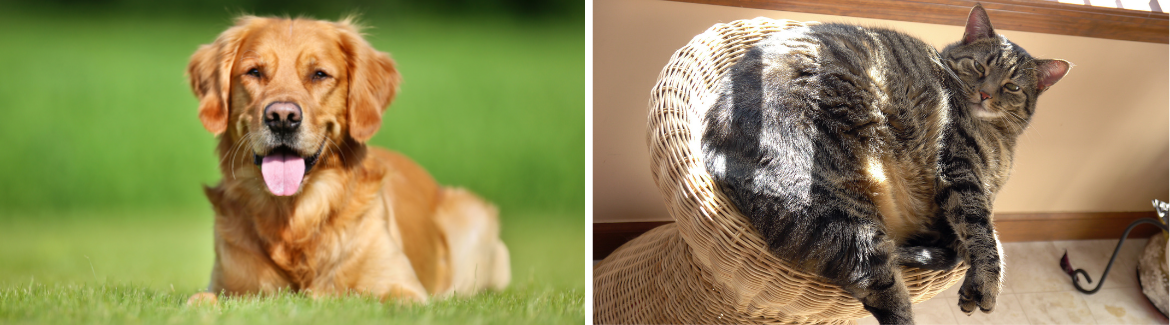
If your pet is clearly overweight or struggles with movement, it is wise to seek veterinary advice. Excess weight can lead to health problems such as joint issues, diabetes and heart disease.
At Dierenarts Boschhoven we can assess your pet’s weight and create a personalised plan. This helps your dog or cat return to a healthy weight in a safe and responsible way.
Have you noticed your pet gained some extra kilos over the winter? Don’t wait too long and make an appointment at our practice. Together we will help your pet enter spring feeling fit and energetic.