


A common allergy in both people and dogs is hay fever. Not only in spring, but also during summer and early autumn, people and animals with hay fever can suffer from flowering plants, flowers and trees. A pollen allergy means you are allergic to pollen from grasses, plants or trees. Hay fever in both humans and dogs is a sign of an overactive immune system. Dierenarts Boschhoven in Leende and Heeze is happy to help with the treatment of hay fever in dogs (also known as atopy). Please get in touch or make an appointment directly.
HAY FEVER IN DOGS
The hay fever season runs from February to September, as long as flowers, plants and trees are in bloom. In May and June, most grasses grow and the highest concentration of pollen is present in the air, which is why hay fever symptoms are often most severe during this period. Symptoms are caused by pollen floating in the air and coming into contact with the nasal mucosa, the eyes or the airways. Many dogs suffer from this.
SYMPTOMS OF HAY FEVER IN DOGS
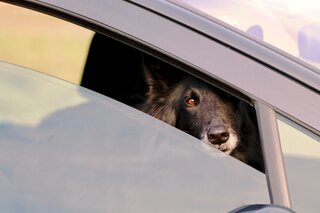
Do you think your dog has a pollen allergy? The symptoms of hay fever in dogs are very similar to those in humans. A dog with hay fever often shows the following symptoms:
- Irritated eyes
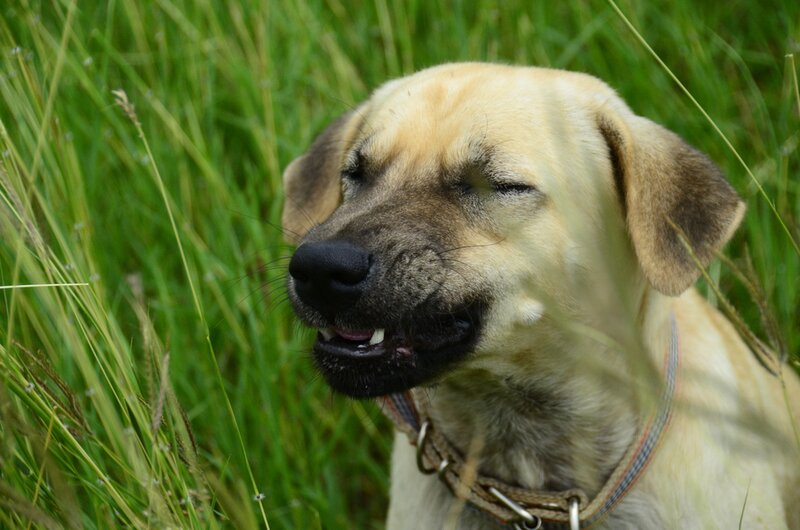
- Sneezing
- Itchy skin on the paws, head, armpits and groin
Dogs generally suffer most from skin problems rather than nasal or eye complaints, as is more common in humans (with some exceptions). Due to the itchy skin, a dog will often lick, bite or scratch the affected areas. This can result in scabs, bald patches, or thickening and discolouration of the skin.
WHAT TO DO IF YOUR DOG HAS HAY FEVER
To help reduce your dog’s hay fever symptoms, it is important to know how to act:
- Visit the vet and have the hay fever allergy officially diagnosed. Every dog is different and therefore requires a different treatment. Sometimes medication or immunotherapy is needed; in mild cases, the right care products may be sufficient.
- Keep your dog clean. Wash your dog regularly, for example in the bath, using a hypoallergenic anti-itch shampoo. These special shampoos help dogs with hay fever and care for dry, sensitive and itchy skin.
- Keep the paws clean. After walking your dog, it is important to clean their paws. This reduces the chance of your dog coming into contact with pollen from flowers, plants or trees, preventing pollen from remaining on the coat.
- Avoid going outside during high pollen conditions. Check the so-called pollen calendar to see whether pollen levels are high. Dry, windy weather is often particularly troublesome for hay fever sufferers.
- Keep your home clean. Pollen can also enter your home via shoes, open doors or tilted windows. Vacuum your house regularly, including carpets, rugs and curtains. This helps prevent an excess of pollen indoors and reduces symptoms for your pet.
DIAGNOSIS OF HAY FEVER IN DOGS
If you would like to confirm that your dog is suffering from hay fever, make an appointment at our veterinary clinic in Leende or Heeze. Our vet will investigate which substances your dog is allergic to. At Dierenarts Boschhoven, we do this through a thorough physical examination. The symptoms you notice in your dog may also be associated with a flea allergy. A flea allergy is easy to treat, and a food allergy can also be identified by putting the dog on a very strict hypoallergenic diet for six weeks. If your dog does not respond to either the flea allergy test or the food allergy test, we will continue our investigations.
BLOOD TEST FOR HAY FEVER IN DOGS
There are two ways to determine which allergens your dog is reacting to: a blood test or a skin test. During a blood test, our vet takes a small amount of blood and sends it to a laboratory. The blood is examined for possibly elevated antibodies, such as those related to fleas, mites, mould spores, trees, grasses and herbs. If the test shows that your dog is allergic to, for example, trees, we can treat the condition in a targeted way using medication.
SKIN TEST FOR HAY FEVER IN DOGS
If a blood test does not provide clear results, a skin test may be chosen. This is carried out by a specialised veterinary dermatologist. During a skin test, several substances are injected, after which it is observed which substances cause an allergic reaction in your dog. After fifteen to twenty minutes, some substances may cause an allergic reaction in the form of a small swelling, similar to a mosquito bite.
TREATMENT OF HAY FEVER IN DOGS
There are several ways to treat hay fever in dogs:
- Immunotherapy (hyposensitisation): this involves giving the dog injections containing a small amount of the allergens to which it reacts. In this way, the dog gradually becomes accustomed to the allergens and symptoms become less severe. This treatment takes six months to a year before clear improvement is seen. The success rate is between 70–75%. We can teach you how to administer these injections at home.
- Medication: medicines such as Apoquel or Sporimune achieve very good results in the treatment of hay fever. We prescribe medication to keep the itching under control.
- Nutrition: diet can help with skin problems. It is important that your dog receives essential nutrients. Our vet will prescribe a special diet for your dog to help keep skin problems to a minimum.
MAKE AN APPOINTMENT FOR A DOG WITH HAY FEVER
Do you think your dog is suffering from hay fever and would you like to have this confirmed? Please contact our veterinary clinic in Leende or Heeze. We truly take the time for all our patients and do everything we can to help your dog recover. In cases of severe symptoms, we immediately look for a suitable solution to reduce or relieve the complaints.