


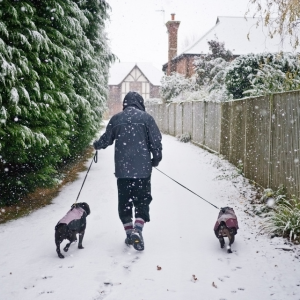
The winter months don’t just bring cosiness, warm blankets and festive days — they also come with a range of challenges for our pets. Dogs and cats are more sensitive to winter conditions than many owners realise. From irritated skin to arthritis pain, it’s important to recognise the signs early and know how to protect your pet. In this article, you’ll learn all about the most common winter ailments and what you can do to prevent them. Unsure about your pet’s health? Feel free to contact us to book an appointment.
DRY AND IRRITATED SKIN
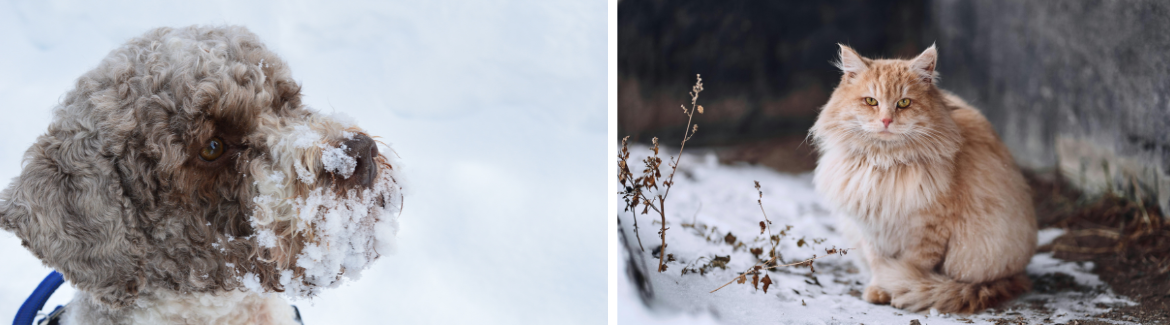
Dry winter air — both outdoors and indoors due to heating — can cause itching, flaking and a dull coat in pets. Dogs with short coats and cats with sensitive skin are particularly prone to reacting to cold temperatures.
What can you do?
- Use a humidifier to combat dry indoor air.
- Brush your pet more regularly to help distribute natural skin oils.
- Choose a mild, veterinary-approved shampoo if you bathe your pet (and don’t do so more often than necessary!).
If you notice persistent itching, bald patches or sores, it’s wise to book an appointment for a skin check.
ARTHRITIS AND STIFFNESS IN WINTER
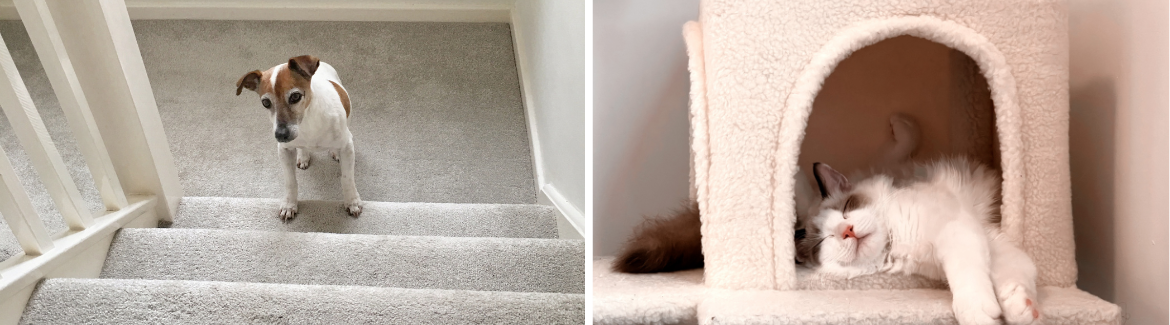
Older dogs and cats, as well as pets with a history of joint problems, may experience increased stiffness and pain during winter. Cold weather causes muscles to become less flexible and joints to inflame more easily.
Signs of arthritis pain:
- Slower to get up
- Reluctance to jump or climb stairs
- Limping when starting to move
- Reduced playfulness or social interaction
HOW CAN YOU HELP YOUR PET THROUGH THE WINTER?
- Provide a warm, soft sleeping area free from draughts.
- Allow extra breaks during walks and avoid slippery surfaces.
- Consider joint supplements or medication (tailored treatments are possible following a consultation).
HYPOTHERMIA AND FROSTBITE
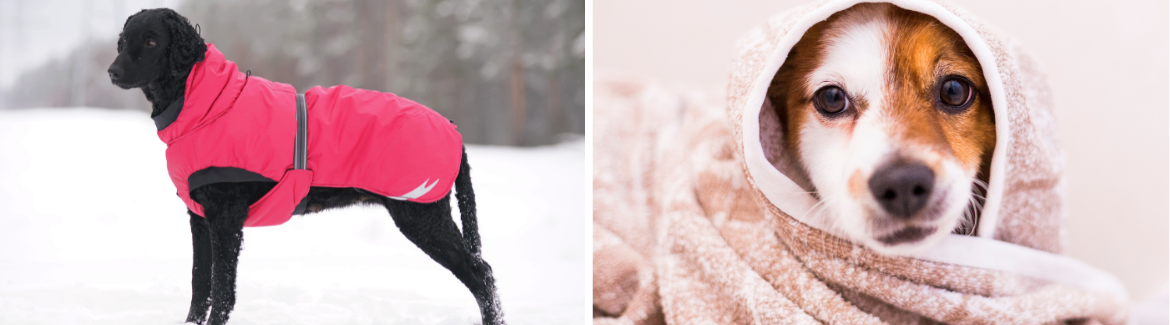
While many dogs enjoy playing in the snow, hypothermia and frozen paws are risks that should not be underestimated. Small breeds, older animals and dogs with thin coats are particularly vulnerable.
Prevention:
- Limit time outdoors during extreme cold.
- Use a well-fitting dog coat for sensitive breeds.
- Dry your pet thoroughly once back indoors.
If you notice symptoms such as shivering, stiff muscles, cold ears or lethargy, booking an appointment is strongly recommended.
PAW PROBLEMS CAUSED BY SALT AND SNOW
Gritting salt can irritate paw pads and even cause small wounds. After a winter walk, you may notice excessive licking, redness or pain.
Tips:
- Rinse paws with lukewarm water after walks.
- Dry thoroughly, especially between the toes.
- Use a paw balm for extra protection if needed.
A SAFE AND COMFORTABLE WINTER
Winter doesn’t have to be a problem for dogs and cats, as long as you stay alert to small changes and keep an eye on their comfort. Do you have questions or would you like us to check your pet? We’re here to help. You can always book an appointment for a winter health check.